Straight answer: proxy attendance survives most systems because they record a credential, not a person. Cards get handed over, PINs get shared, and fingerprint machines get defeated by a second enrolled finger or a supervisor's manual override. The only durable fix is a record that stores visual proof of who walked in.
Every operations manager we meet in Punjab knows the number is not zero. Few know what it is, because the systems in place were never designed to reveal it.
Why the usual defences leak
Registers. Signed in batches by whoever arrives first. No defence at all — everyone knows this, which is why registers were replaced.
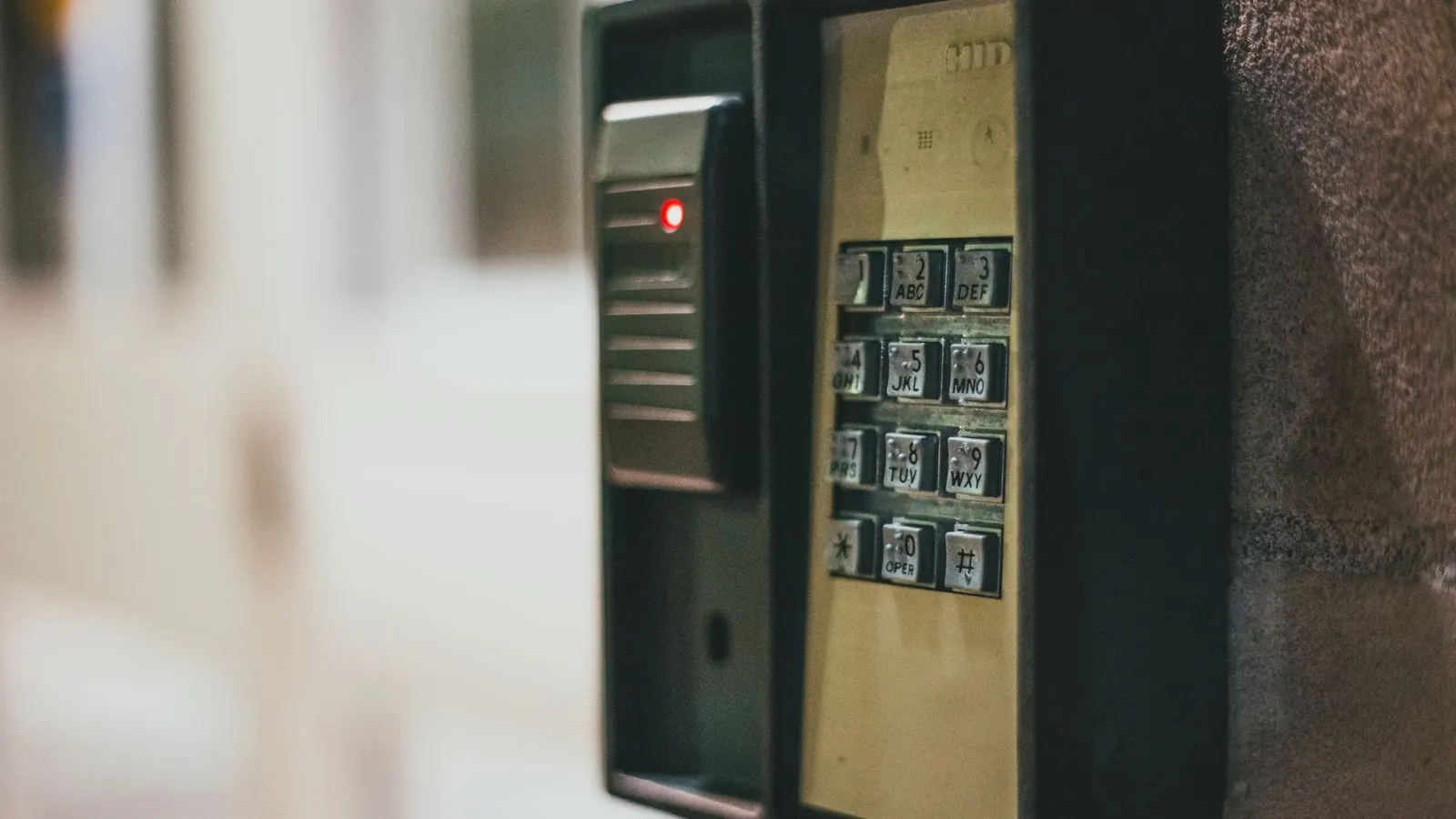
Cards and PINs. The credential is portable by design. A card in a friend's pocket marks attendance perfectly. The system records exactly what it was built to record: that a valid card was presented.
Fingerprint machines. Better, and genuinely harder to fake, but three leaks are common. Employees sometimes enrol a second finger that a colleague can use. Silicone and glue-cast moulds circulate on larger sites. And the biggest one is not fraud at all: when scans fail on worn hands, supervisors start making manual entries — and once manual entry is normal, the audit trail is gone.
Notice the pattern. Each system faithfully records its credential and stores nothing that lets you verify the human.
The four controls that actually work
1. Store visual evidence with every entry. This is the single highest-value change. If each attendance record keeps the camera frame it came from, a disputed mark takes ten seconds to settle. Nobody argues with a photograph, and crucially, everybody knows the photograph exists — which is where most of the deterrent lives.
2. Remove the manual-entry escape hatch. Audit how many entries last month were manual. If the number is significant, that is your leak, and no upgrade to the scanner fixes it. Manual entries should be an exception that requires a reason and a named approver.
3. Cover every entrance, not just the main gate. A system watching one door measures the people who use that door. Side gates, loading bays and canteen exits are where mid-shift absence hides.
4. Reconcile against a second signal. Contractor headcount, production output, or vehicle logs. Where two independent records disagree consistently, you have found something.
Where face recognition genuinely helps — and where it doesn't
Face recognition on entrance cameras closes the credential gap directly: there is nothing to hand to a colleague, and every record carries its own frame. That combination is what makes it hard to defeat rather than merely inconvenient.
We build that, so weigh the recommendation accordingly. But be clear about the limits too. It is not infallible — poor camera placement produces misses, and misses create pressure for exactly the manual overrides described above. Getting placement right at the entrance matters more than any accuracy claim on a brochure.
The one number to pull this week
Count manual attendance entries as a percentage of total entries for last month.
Under two percent, your system is broadly working. Above ten, proxy attendance is not your real problem — your attendance system has quietly become a paper process with a machine in front of it.
The gate this article describes is the one a factory attendance system built for shift change is designed around: no reader to queue at, a photo behind every record, and exceptions a supervisor can actually review. Ask for a free audit of your gate cameras →