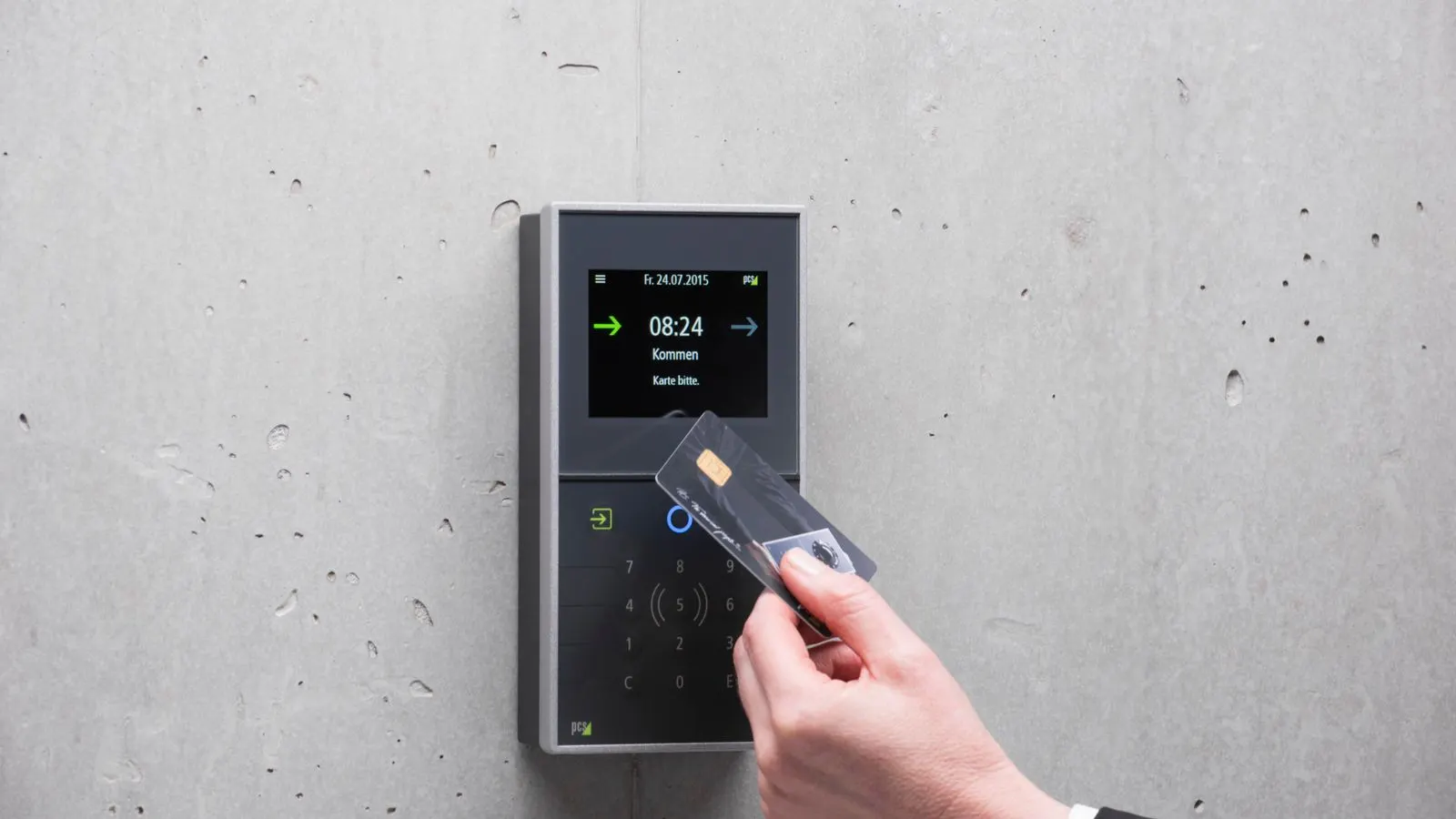
Straight answer: the expensive errors in attendance are almost never scanning errors. They are introduced after the punch, when someone exports raw times into a spreadsheet and reconstructs hours by hand. The integration is the product; the biometric is just the sensor.
Ask any HR manager where the month-end pain lives, and nobody says "the machine misread a finger." They say the export, the spreadsheet, the missed punches, the arguments.
What the machine actually gives you
A biometric device produces punches — employee ID, timestamp, direction if you are lucky. That is raw material, not attendance.
Between that and a payslip sit a dozen decisions: Which shift was this person on? Does a 9:12 arrival breach the grace period? Is a 4-hour day a half day or absence? Does overtime start after 8 hours or after the shift ends? Which of the three punches that morning is the real one?
Every one of those is a rule. If your system does not encode them, a person applies them from memory, differently each month.
The five rules any real integration must encode
Shift assignment. Which roster the person was on that day, including rotation. Without this, "late" is undefined.
Grace and rounding. A stated grace period and a stated rounding convention, applied identically to everyone. This is the most common source of "why was I marked late" disputes.
Half-day and absence thresholds. Hours-present bands that decide the day's classification, set once and applied consistently.
Overtime bands. When overtime begins and at what multiplier, including any different treatment for weekly offs and holidays. Getting this wrong is the costliest error on the list, in both directions.
Missed-punch handling. A defined path: flag, notify, require a reason and an approver. Not a blank cell someone fills in on payroll day.
Why photo-backed records change the month-end conversation
When an employee disputes a late mark three weeks later, the usual outcome is a negotiation, because nobody can prove anything. If every attendance record stores the camera frame it came from, the conversation takes ten seconds and ends in fact rather than seniority.
This is the practical argument for camera-based attendance beyond the queue: the evidence is attached to the record, so payroll stops being an argument about memory. We build this, so treat that as a disclosed interest — the underlying point stands regardless of vendor.
Two questions to ask before buying anything
"Show me the payroll export." Not the dashboard. The actual file that goes to payroll, with hours already split into regular and overtime. If the answer is a CSV of punch times, you are buying a sensor and keeping the spreadsheet.
"How does a disputed entry get resolved?" If the answer involves someone remembering, you have found where next year's errors will come from.
The test
Take last month. Compare total payable hours as the attendance system computed them against what payroll actually paid.
If those two numbers differ, the gap is not the machine. It is the manual step in between — and that is the part worth fixing first.