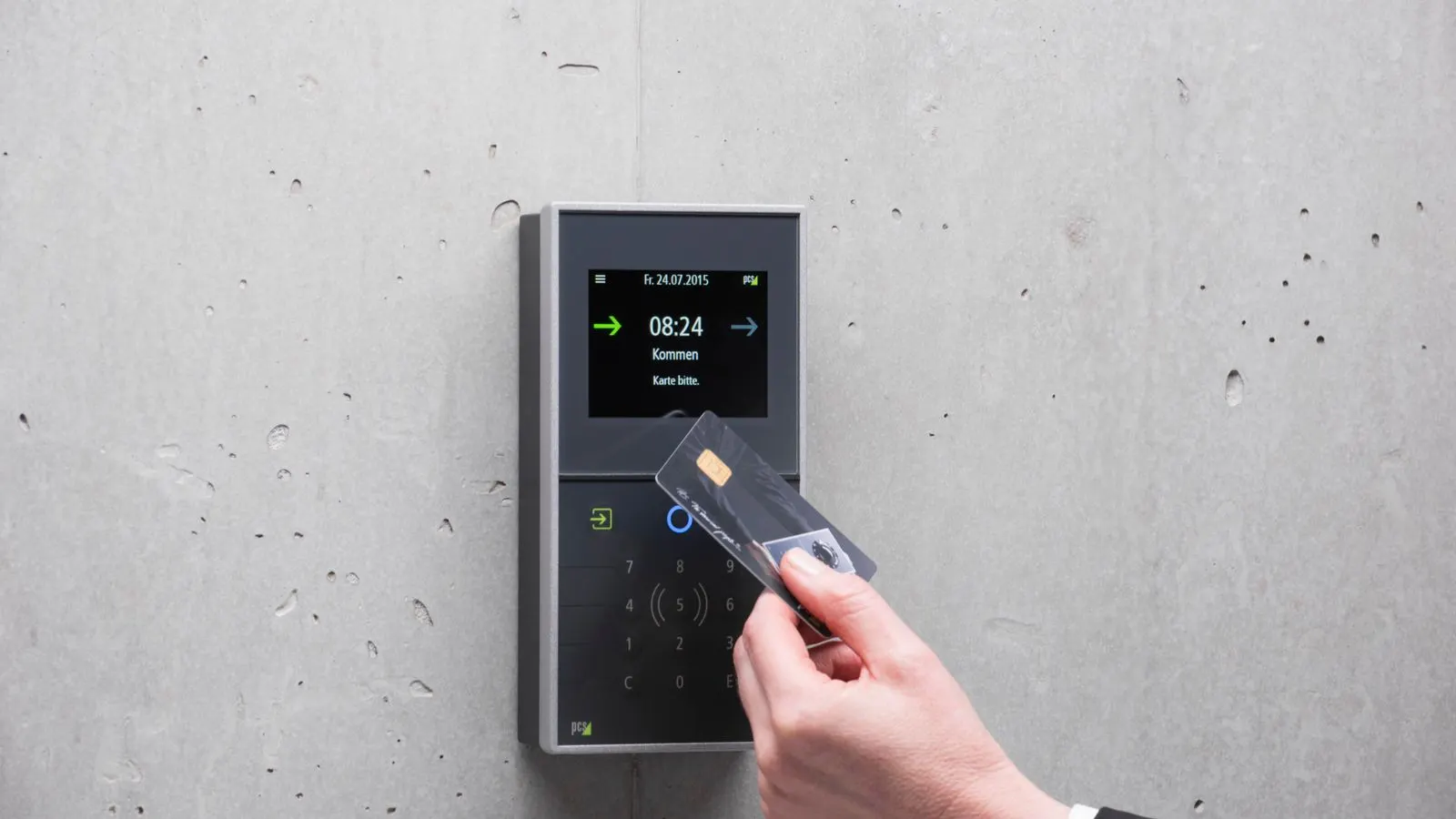
Straight answer: fingerprint attendance works well for small, desk-based teams and fails predictably at factory gates — because worn fingers don't scan, one reader can't absorb a shift change, and a machine bolted to one door is blind to every other. If that's your site, the fix isn't a better fingerprint machine.
We're not here to trash a technology that runs at lakhs of Indian workplaces. Fingerprint attendance earned its place: it's cheap, familiar, and vastly better than the paper register it replaced. But it has three structural failure modes, and whether they bite you depends entirely on what kind of site you run.
Failure one: the fingers themselves
A fingerprint sensor needs ridge detail. Manual work erases it.
Masons and construction crews, machine operators, loaders, dyeing and textile hands, kitchen staff — years of friction, chemicals and heat leave prints too shallow to read. Add the daily variations that defeat everyone: wet hands in monsoon, dust, a bandaged cut, winter-dry skin.
The result is the scene every factory supervisor knows: one worker pressing the same finger five times while the queue behind grows — and eventually a "manual entry" register on the side that quietly resurrects everything the machine was bought to kill.
Failure two: the queue
A reader processes one person every three to six seconds when scans succeed. Feed it two hundred workers inside the same ten minutes and arithmetic does the rest: a fifteen-to-twenty-minute queue, twice a day, every day.
Sites respond by adding a second machine (another purchase, another AMC) or by tolerating the queue as a fact of life. Neither fixes the underlying shape: a single-file bottleneck bolted onto an arrival pattern that is anything but single-file.
Failure three: the door it can't see
A fingerprint machine records the door it's mounted on. The side gate, the loading bay, the canteen exit — invisible. Mid-shift walkouts through any other opening never touch the log.
And the log itself is only as honest as the finger on the sensor. Buddy punching is harder with biometrics than with cards — but a record that stores nothing visual gives you nothing to check when a punch is disputed.
So who should keep fingerprint?
Honestly: plenty of sites. An office of ten to forty desk workers, one entrance, staggered arrivals, clean hands — a decent mid-range fingerprint unit will serve for years and cost very little. If that's you, keep it. Nothing below changes your math.
And who should move?
Sites with working hands, shift-change surges, or more than one gate — which is to say most factories, warehouses and larger sites in India. For them, the successor is face recognition, and it comes in two shapes:
A face terminal on the wall. Fixes hygiene and worn fingers; keeps the queue-per-door and cost-per-door problems.
Software on the entrance cameras you already own. No terminal at all. People are recognised at walking pace, several abreast; every gate with a camera becomes a check-in point; and every record stores the frame it came from, so a disputed punch is settled by looking at a photograph.
That second shape is what we build — bias disclosed — and it exists precisely because the three failures above are placement and hardware problems, not software ones. A camera six feet from the doorway doesn't care how worn a thumb is.
The one-line test
Count your gates, watch one shift change, and look at your workers' hands. If the answers are "one, calm, and clean" — keep the fingerprint machine. Anything else, and the machine is the bottleneck you're paying to maintain.
The gate this article describes is the one a factory attendance system built for shift change is designed around: no reader to queue at, a photo behind every record, and exceptions a supervisor can actually review. Ask for a free audit of your gate cameras →