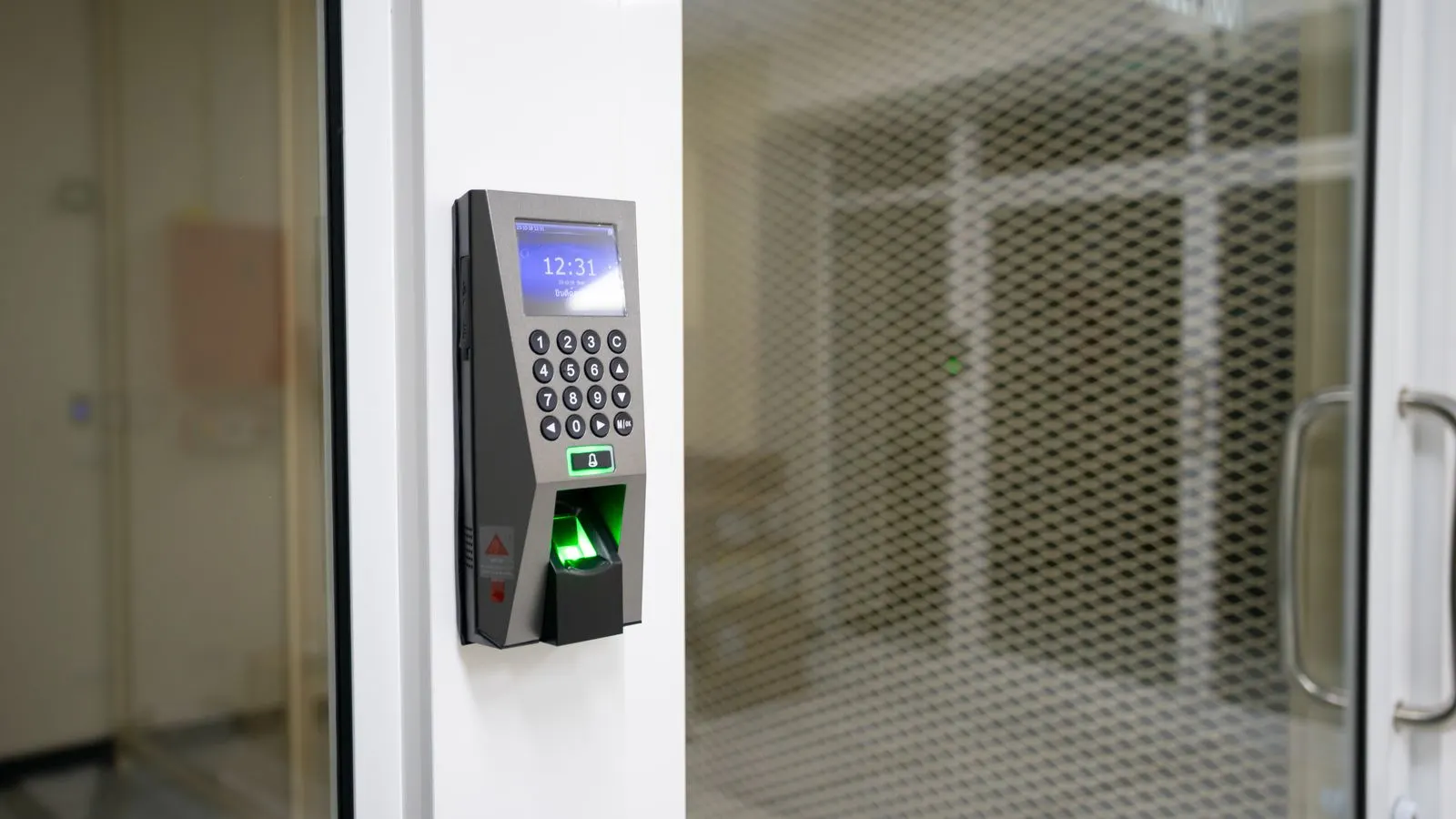
When a rice sheller or a procurement yard triples its headcount for a few weeks, the system doesn't run out of storage or camera slots — it runs out of enrolment time. Registering three hundred new workers properly, with usable photos and correct details, takes real minutes per person, and that queue is the actual bottleneck every seasonal peak runs into.
Every mandi, cold store and textile unit we talk to in Punjab has the same seasonal pattern: a skeleton crew most of the year, then a sudden multiple of that number for harvest, festival dispatch, or a procurement window. The conversation we have every time is about storage — will the system hold that many records — and it's almost never the real problem.
Why doesn't storage or camera count break first?
Because storage scales with time, not headcount, and most sites already have more headroom there than they think. Adding three hundred names to a database that already holds fifty is a non-event for the software. The gate camera doesn't work any harder because more people are walking past it.
What doesn't scale for free is the human step in the middle: getting each new person correctly registered, with a photo or fingerprint good enough to be recognised reliably, before they start work. That's a queue, and queues have a throughput limit regardless of how much storage sits behind them.
What actually breaks — and how do you plan around it?
Enrolment throughput. If your enrolment process takes two minutes per person and three hundred workers arrive over one morning, that's ten hours of gate time before anyone's even started their shift — on the busiest day of your year.
Plan around this the way you'd plan around any bottleneck: add enrolment stations, not more storage. Stagger arrivals across a day or two before the work actually starts, rather than enrolling everyone on the first morning of the peak. And accept that enrolment quality drops under time pressure — a photo taken in eight seconds in a moving queue is worse than one taken calmly, and a worse photo produces more manual overrides in exactly the weeks you can least afford them.
Should you enrol on paper first and catch up later?
It's the natural instinct when the queue is long, and it's usually a mistake. Paper attendance reconciled against a digital system days later is where seasonal payroll disputes come from — nobody can verify after the fact whether the paper record and the digital one are describing the same shift. It's generally better to slow the enrolment queue down and do it properly at the gate than to promise a clean-up later that competes with everything else happening during peak season.
What about workers who leave after two or three weeks?
Plan the exit as deliberately as the entry. A workforce that triples for a season also needs to shrink back, and the records for departed workers should be archived — not left active, not deleted so fast that a payroll query the following week has nothing to check against. Decide the retention window before the season starts, not while you're trying to close it out.
There's also a real question of repeat seasonal workers — the same people who return every procurement window. If your system can match a returning worker to their prior record instead of creating a fresh one each time, enrolment gets faster every year the workforce repeats. If it can't, you're re-enrolling the same people annually, which is the throughput problem again, just recurring.
Where does face recognition genuinely help less than people expect?
At a temporary gate with poor lighting, a moving queue, and enrolment staff who are new to the process themselves — all common at a seasonal site — face recognition doesn't perform as well as it does at a permanent, well-lit entrance with trained staff. We build face recognition attendance systems, so factor that bias into this answer, but the honest constraint stands regardless of who's saying it: rushed enrolment under peak-season pressure is the single biggest driver of misses and manual overrides, more than any property of the algorithm itself.
The fix isn't a better camera. It's giving enrolment the two or three minutes per person it actually needs, even when the queue outside is long.