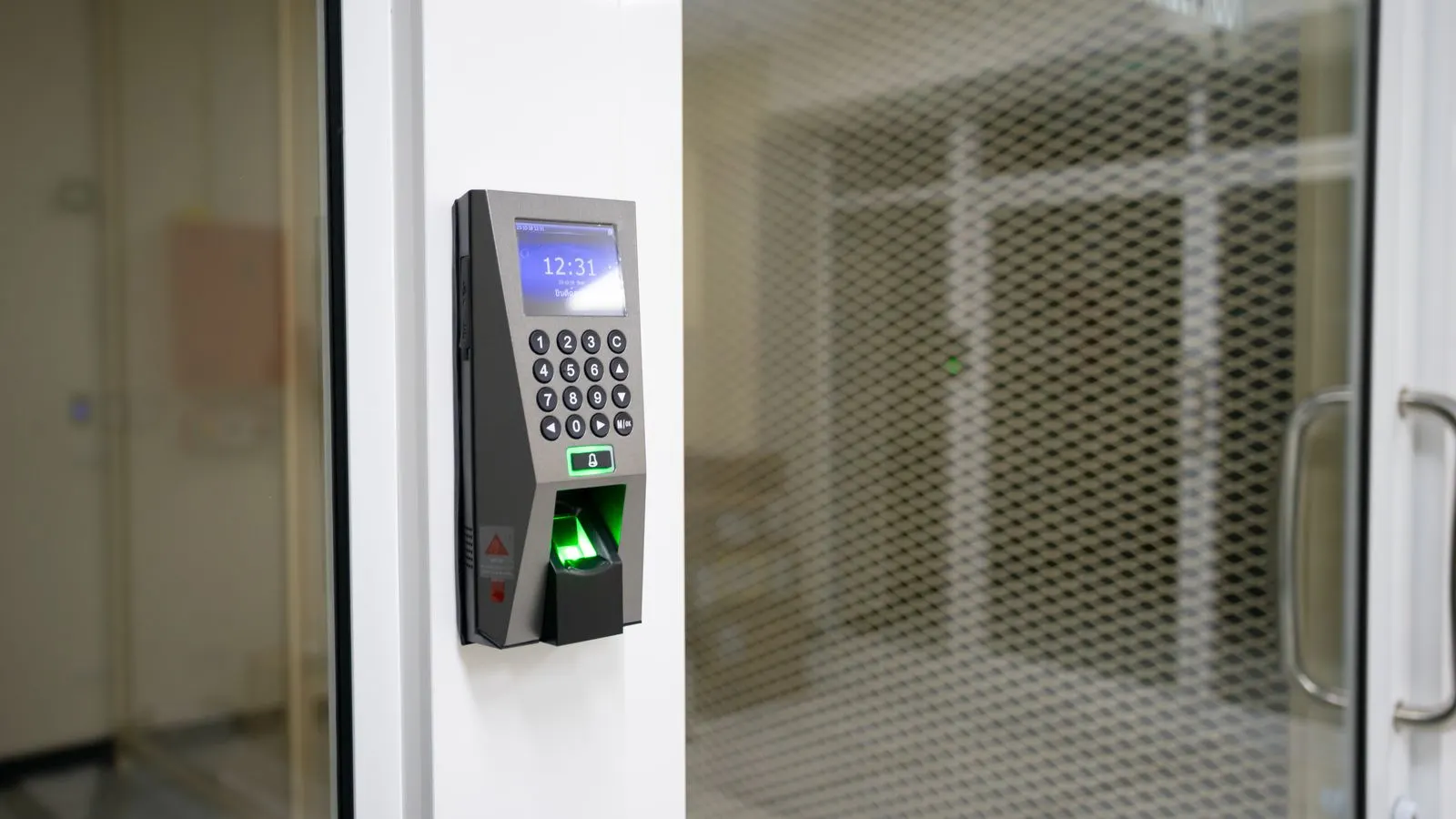
Employee onboarding attendance should take about as long as handing someone their ID card — a few minutes to capture a credential and link it to their record, done at the same desk as the rest of induction. When it takes longer, the gap gets filled with manual entries, and manual entries are where every other attendance problem — proxy marking, disputed hours, missing records — starts.
Ask any HR manager how long it takes to get a new joiner fully onto the attendance system, and the honest answer is rarely "same day." It's often "by the end of the week, if the machine isn't busy." In between, someone is manually noting that person present, and manual entries have no audit trail worth trusting.
Why does enrolment cost matter more than daily accuracy?
Vendors compete on recognition accuracy — 98% versus 99.5%, fractions of a percent that matter far less in practice than they sound. The number that actually costs money at most Indian sites is enrolment time, and it's rarely discussed.
If enrolling one person takes fifteen minutes and needs the HR desk, a factory hiring five contract workers a day loses over an hour of HR time daily just on enrolment — before anyone has actually started work. At a site with high turnover — seasonal labour, textile units, F&B staff — that cost repeats constantly, because you're not enrolling people once, you're re-enrolling a rotating set of them every week. A system with near-perfect daily accuracy but a clumsy enrolment flow is, in practice, the more expensive one.
What does a fast onboarding flow actually look like?
Three things need to happen, and they should happen at one desk in one sitting: capture the credential, link it to the employee's shift and payroll record, and confirm the link worked before the person leaves the desk.
That last step is the one most flows skip. A fingerprint or a face gets captured, HR moves on to the next document, and nobody checks that the credential is actually tied to an active employee record until the new joiner fails to show up on the first day's attendance report — by which point they're a day into manual entries. A five-minute flow includes a verification punch on the spot, right there at enrolment, so any linking failure is caught immediately instead of discovered the next morning.
How many photos or attempts does good enrolment need?
For face-based systems specifically, one photo taken quickly is usually not enough — angle, lighting and expression all vary between the enrolment shot and a real gate encounter, and a single photo doesn't give the system anything to generalise from. A short capture of a few frames as the person turns their head slightly covers far more of that variation, and it still fits inside the same few minutes.
For fingerprint systems, the equivalent problem is enrolling only one finger. If that finger is injured or worn on a manual labour site, there's no fallback, and the enrolment has to be redone from scratch.
What breaks onboarding at high-churn sites specifically?
Distance and timing. If the enrolment device sits in an HR office across the compound from where hiring actually happens — the factory gate, the site office — every new joiner needs a second trip, and a second trip is where onboarding stalls. The fix is proximity: enrol at the same point where the person will actually attend, ideally the entrance camera or gate device itself, not a separate machine in another building.
Where this approach has a real limit
A fast enrolment flow reduces the time cost of onboarding. It doesn't remove the need for a good first photo or a clean first fingerprint capture — a rushed, badly lit enrolment attempt, done quickly, will still cause recognition misses for months afterward. Speed and quality both need to be designed for; optimising only for speed just moves the cost from onboarding day to every day after it. We build face-recognition attendance systems ourselves, so weigh that recommendation accordingly — but the same principle holds whichever system you're running.
What to check this week
Time how long it actually takes, door to done, to get one new joiner fully enrolled and appearing correctly on tomorrow's attendance report. If the honest answer is measured in days rather than minutes, that gap is where your manual-entry problem is coming from.