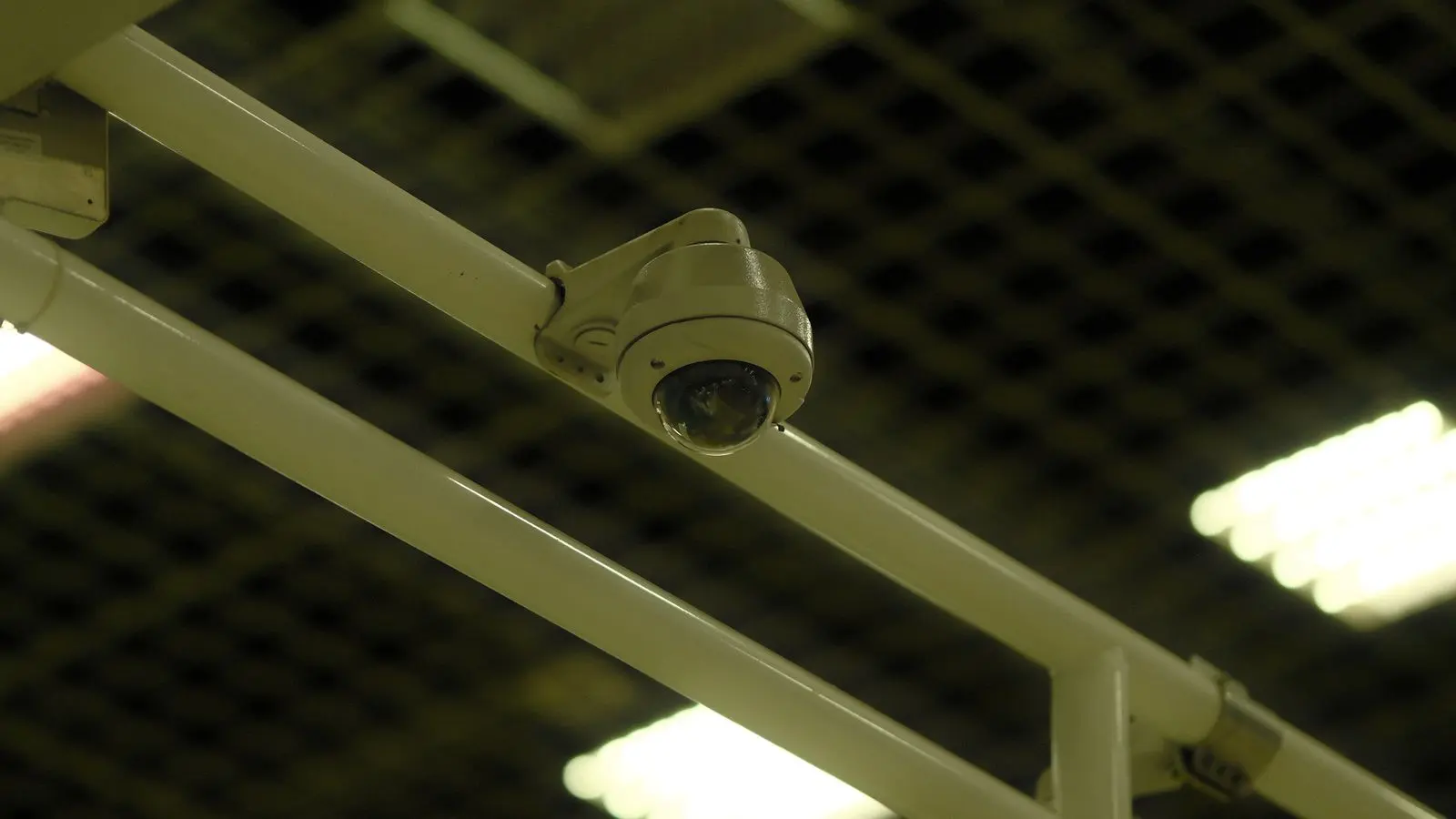
Straight answer: on almost every existing estate we audit, at least one camera is already dark, and the owner does not know. Not because anyone was careless — because nothing in a standard CCTV setup is designed to tell you.
The discovery moment is always the same. Something happens, someone goes to pull the footage, and the camera that mattered has been offline since some indeterminate date.
Why it goes unnoticed
Nobody watches live feeds. The monitor wall exists, but attention does not. A missing tile among sixteen is not visually obvious, and after a week the brain treats it as normal.
Recorders rarely alert. Most DVRs and NVRs log a signal loss quietly. Some can email — almost none are configured to, because configuring it requires someone to have thought about it during installation.
Failures are mundane. A rat through a cable. A power adapter dying in monsoon humidity. A switch port failing. A pole knocked by a reversing truck. None of these announce themselves.
Tampering looks the same. A camera deliberately covered or turned produces the same silence as one that failed. That is precisely why covering the camera first is a common pattern.
The three checks worth doing today
1. Count your live tiles against your camera count. Open the recorder, count the views actually showing an image, and compare to the number of cameras you believe you own. This takes two minutes and surprises people regularly.
2. Check retention, not just liveness. Go back thirty days on three different cameras and confirm footage actually exists. A camera can be online and still be recording nothing useful if the disk is full or the schedule is wrong.
3. Look at the oldest footage you have. If your system claims thirty days and the oldest clip is from nine days ago, your retention is nine days. This is extremely common as camera counts grow and nobody resizes storage.
Why this is the highest-value alert in the entire category
Intrusion detection is what sells systems. Camera-health monitoring is what quietly saves them.
The reason is simple: every other capability depends on the camera working. Boundary alerts, attendance, ANPR — all of it assumes the feed exists. A blind camera silently invalidates every promise the rest of the system made, and it does so without any indication.
Automated health monitoring flips this from an unknown into a notification: this camera, at this location, stopped responding at this time. With PGAK it is something to evaluate at your site — there is no published PGAK demonstration of it yet — and I would argue it is the least glamorous and most useful thing to ask any vendor for.
The thirty-second version
Open your recorder now and count the tiles. If the number is lower than your camera count, you have found something — and it has probably been true for longer than you would like.