Straight answer: age is almost never the reason to replace a camera. Placement, output format and physical condition are. A well-positioned five-year-old camera beats a new one pointed at the wrong thing, and any vendor leading with "your cameras are too old" is selling hardware before diagnosing anything.
We audit a lot of existing estates. The proportion needing wholesale replacement is far smaller than the industry implies.
The four tests that actually decide
Test 1 — Does it produce a usable stream? Most IP cameras output RTSP, and most modern DVRs and NVRs can output RTSP for the analogue cameras attached to them. If a stream can be pulled, software can analyse it. This is where the "you need all new IP cameras" claim usually collapses.
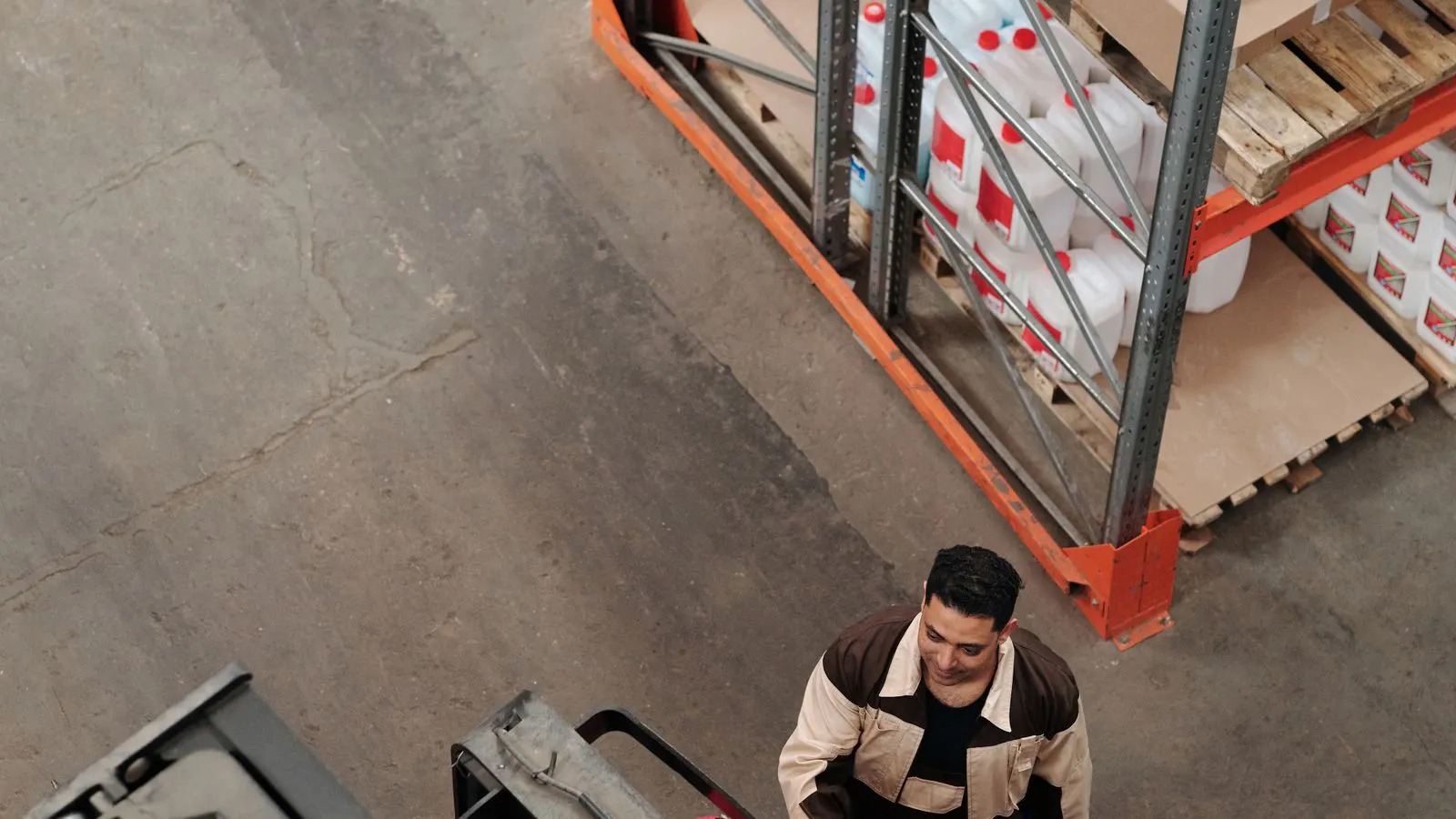
Test 2 — Can it see what matters? This is the real test and it has nothing to do with the camera. A camera mounted eight feet up over a doorway, angled down, sees the tops of heads — no model recognises a face from a scalp. The question is whether it can be repositioned, not whether it should be replaced. A ladder is cheaper than a camera.
Test 3 — Is the resolution adequate for the distance? A face needs enough pixels between the eyes to be identifiable. A 2MP camera is fine for a doorway at three metres and useless for identifying someone at forty. Match the camera to its job rather than to a spec-sheet ideal.
Test 4 — Is the hardware physically sound? Fogged housings, water ingress, dead IR arrays, sun-bleached sensors. This is the one category where replacement is genuinely the answer, and it is visible in ten seconds on a live view.
What a typical audit actually concludes
The common outcome on a sixteen-camera site is not "replace everything." It is closer to: most cameras kept as-is, two or three repositioned, one or two replaced for genuine hardware failure, and perhaps one added where coverage is actually missing.
That is a very different quote from a full replacement — which is precisely why some vendors skip the audit.
The conflict of interest to be aware of
We sell software, not cameras. That makes us biased toward telling you to keep your estate, and you should factor that in exactly as you would factor in a hardware vendor's bias in the other direction.
The defence against both biases is the same: ask for the assessment camera by camera, with a reason per camera. "Your system is outdated" is not a reason. "Camera 7 is mounted at 3.2 metres angled 40 degrees down and cannot capture faces; repositioning to 2.4 metres solves it" is.
Any vendor unwilling to give you that list is asking you to trust a conclusion they will not show their working for.
Before you accept any replacement quote
Ask which specific cameras are being replaced and why, in one sentence each. Ask whether repositioning was considered as an alternative. Ask whether your existing DVR can output RTSP.
Three questions, and most replacement quotes shrink considerably.